Catch basin cleaning. Storm main hydro-jetting. Environmental compliance documentation. NPDES permit support. The most capable storm water team in the region. Period.
Storm drain systems collect runoff from roads, parking lots, rooftops, and industrial surfaces — and every one of those surfaces contributes sediment, debris, pollutants, and petroleum residue to the storm collection network. Without regular cleaning and maintenance, storm mains block, catch basins overflow, outfalls discharge pollutants to receiving waters, and NPDES permit holders face enforcement action. We are the contractor that keeps Northeast Ohio's storm water infrastructure functioning — and keeps our clients in compliance.
The U.S. EPA's National Pollutant Discharge Elimination System (NPDES) Phase I and Phase II municipal separate storm sewer system (MS4) permits require permit holders — municipalities, industrial facilities, and large construction sites — to maintain their storm drainage systems, prevent illicit discharges, and document maintenance activity. Ohio EPA enforces these requirements actively in the Lake Erie watershed, which includes most of Northeast Ohio. A neglected storm system is not just an operational problem — it is a regulatory liability with enforcement teeth that include significant civil penalties and, in severe cases, criminal referral. We help our clients stay clean and stay compliant.
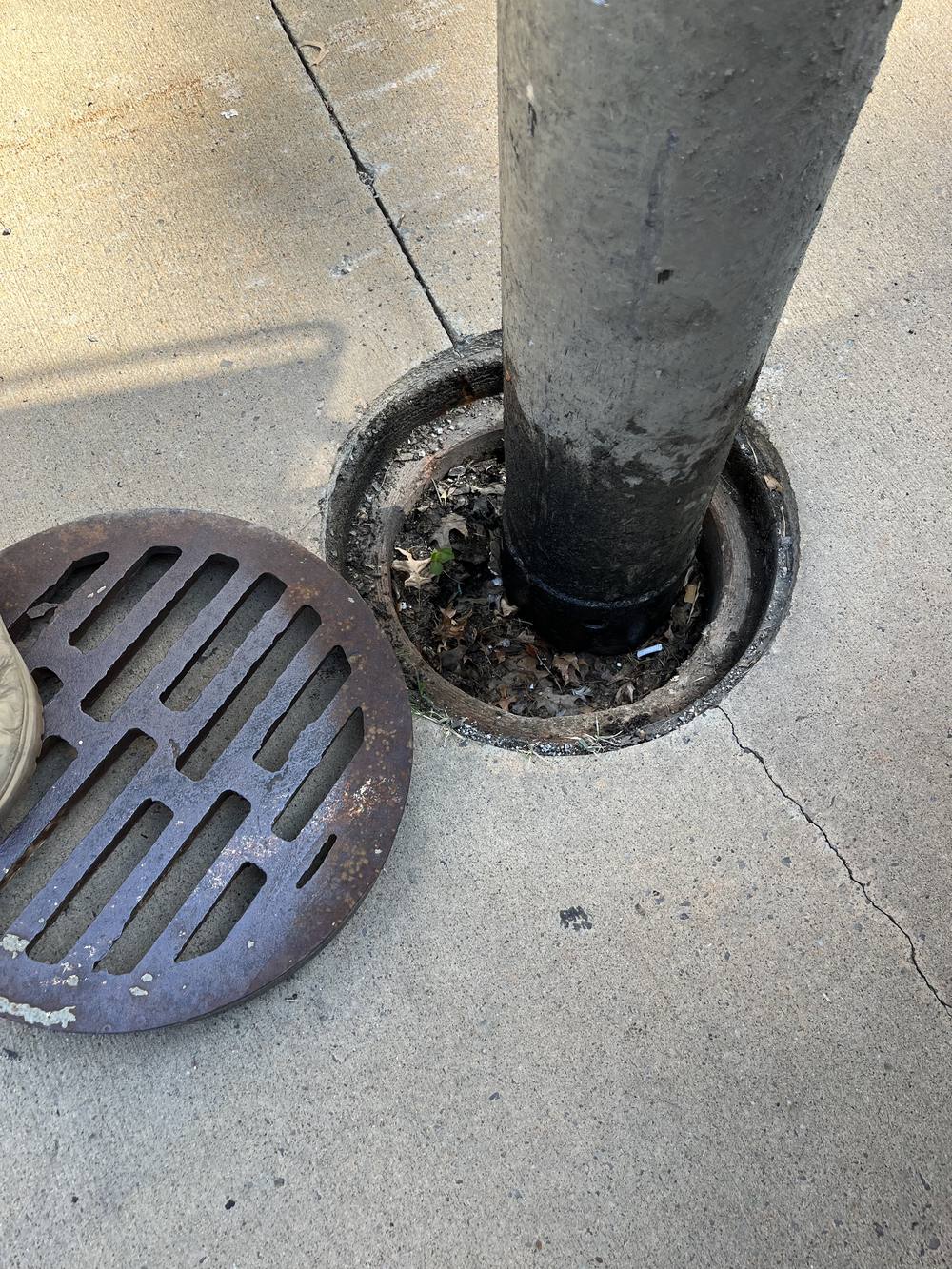
Full vacuum extraction of sediment, debris, and pollutants from storm inlet structures. Inspection for structural damage, sump depth verification, and inlet screen or hood condition assessment. Restoration of damaged sump structures using precast concrete, mortar repair, or full sump liner replacement. Every catch basin we clean receives a condition report and photo documentation for your SWPPP file.
Combination hydro-jet and vacuum cleaning of storm mains from 4 inches to 36 inches in diameter. NASSCO MACP (Manhole Assessment and Certification Procedure) and LACP (Lateral Assessment and Certification Procedure) inspection with PACP-coded condition reporting. Full CCTV footage delivered digitally. Cleaning and inspection services are prerequisites for storm main rehabilitation and are documented for MS4 permit recordkeeping.
NASSCO MACP certified inspection of storm manhole structures — frame and cover condition, chimney, cone, barrel, channel, bench, and invert. Structural rehabilitation via cementitious liner, spray-applied coating, or point repair. Inflow and infiltration (I/I) reduction at storm junction structures. All work documented to NASSCO reporting standards.
NPDES MS4 permits require municipalities to maintain an Illicit Discharge Detection and Elimination (IDDE) program. We support municipal IDDE programs through dry-weather outfall screening, dye testing to trace illicit connections, and documentation of findings. We have identified sanitary sewer connections to storm systems, industrial process discharge, and septic system overflow in storm networks throughout NE Ohio.
Cleaning and inspection of oil/water separators (OWS), coalescing plate interceptors, and fuel/oil interceptors required at industrial facilities, parking garages, vehicle maintenance shops, fueling stations, and similar discharge points. These structures are permit conditions — failure to maintain them is an NPDES violation. We service, pump, and document per manufacturer specification and permit requirements.
We provide maintenance documentation, inspection reports, and service records formatted for Storm Water Pollution Prevention Plan (SWPPP) compliance files. For industrial facilities with Multi-Sector General Permit (MSGP) requirements, we support annual comprehensive facility compliance inspections for storm water infrastructure components. Ask about our SWPPP documentation package.
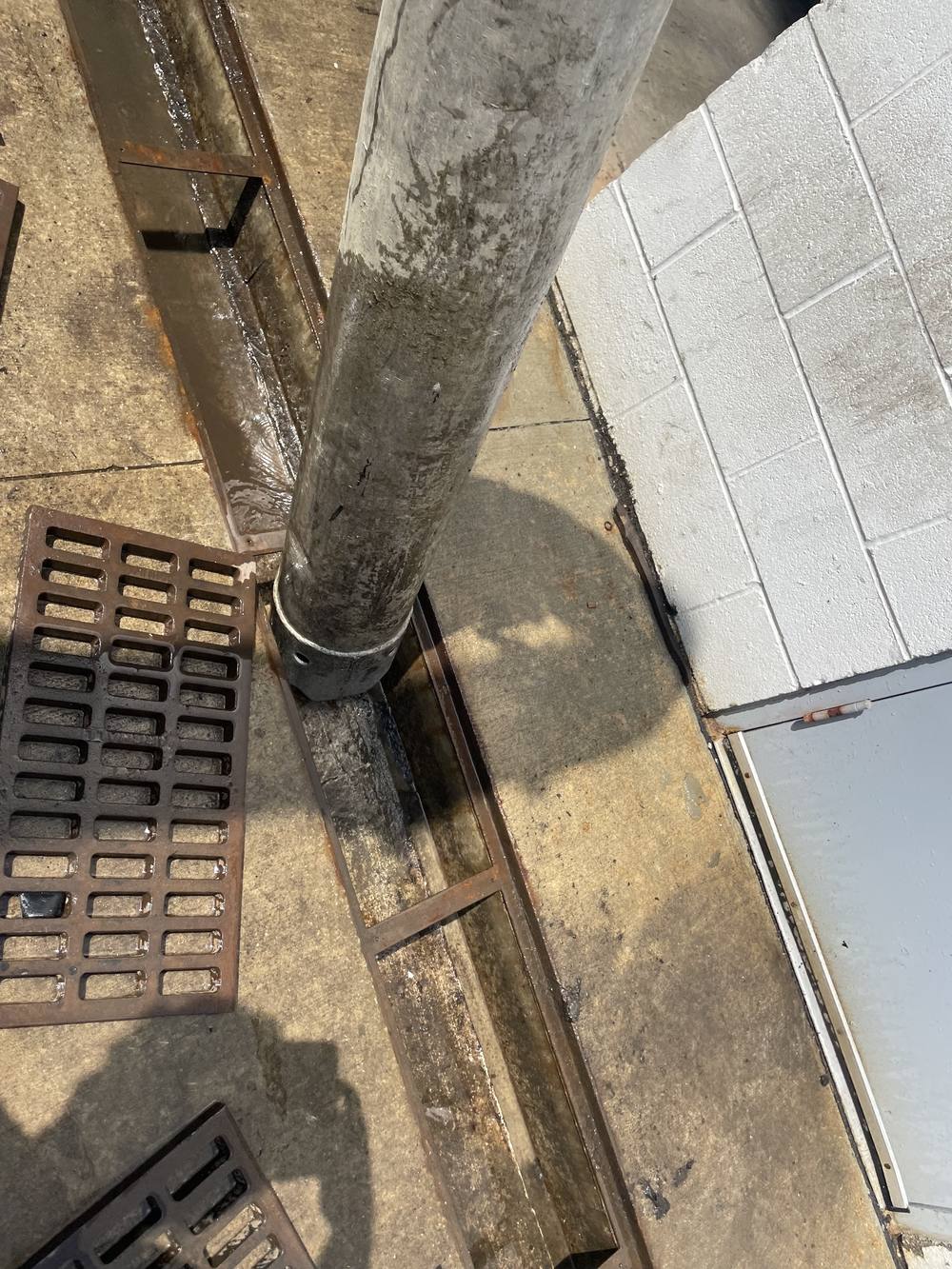
We map all storm inlets, catch basins, manholes, and outfalls on your site. Structure condition is assessed prior to cleaning to determine appropriate methods and identify structures requiring structural repair in addition to cleaning.
Our vacuum boom extracts all accumulated sediment, debris, and liquid from the catch basin sump. For structures with significant accumulation, water is added to fluidize compacted sediment, improving extraction efficiency. Tank contents are transported to permitted disposal.
With the structure cleaned, we inspect sump depth, structure walls, outlet pipe connections, and frame/grate condition. NASSCO MACP coding is applied to document defects. All conditions are photographed and included in the delivered inspection report.
For full storm system maintenance contracts, connected storm mains are hydro-jetted from catch basin to catch basin between structures. Debris dislodged from the main is flushed to the downstream catch basin and removed by vacuum extraction.
You receive a completed service report for every structure: GPS coordinates, structure ID, service date, extracted volume, condition photographs, NASSCO inspection codes, and any identified defects requiring repair. Formatted for direct insertion into your SWPPP compliance file or MS4 permit annual report.
Northeast Ohio's storm drainage discharges to Lake Erie tributaries, the Cuyahoga River, and directly to the lake itself. The Lake Erie watershed is subject to heightened Ohio EPA and federal oversight, particularly following the 2014 Toledo water crisis and ongoing harmful algal bloom concerns driven by nutrient loading from the Maumee River and tributary systems. Sediment, petroleum hydrocarbons, nutrients from organic debris, and heavy metals accumulated in poorly maintained storm infrastructure represent a persistent pollution source every rain event. Maintaining storm drainage infrastructure is not just a regulatory obligation — it is the right thing to do for the watershed every community in this region depends on.
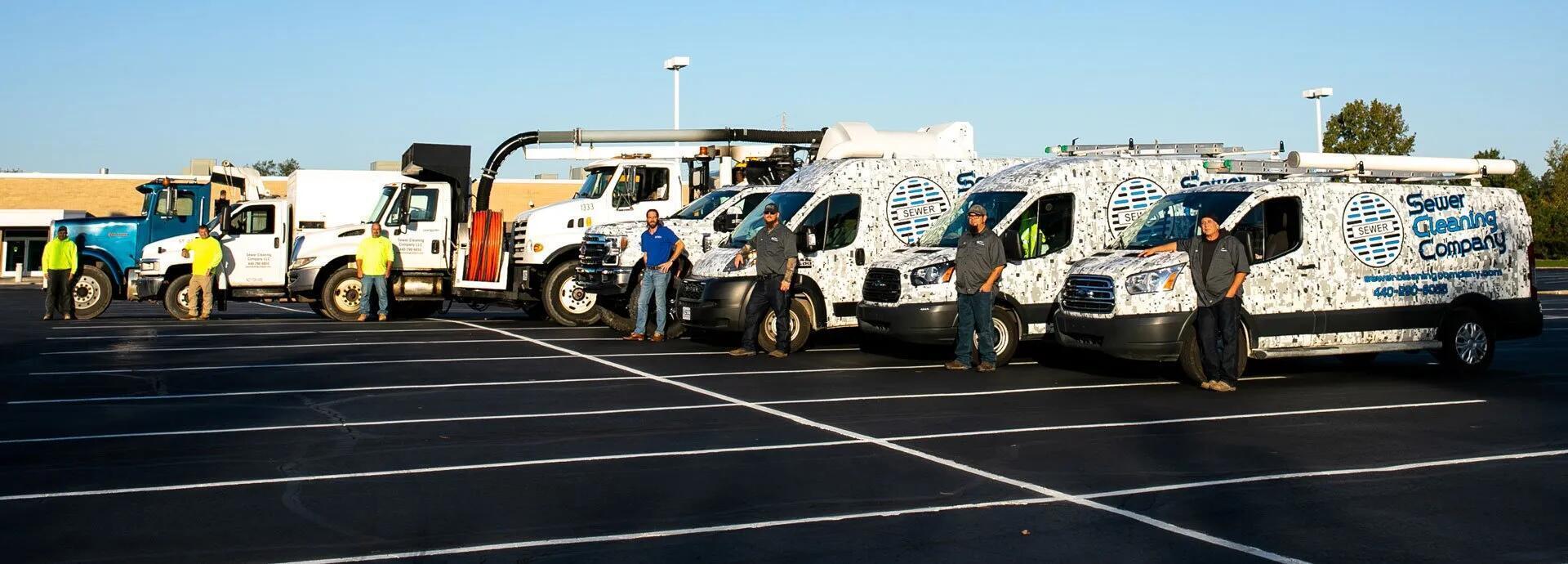
We are the contractor this region's municipalities, industrial facilities, and commercial property owners trust with that responsibility. NASSCO certified. NPDES permit knowledgeable. Seven counties. 24/7. No subcontracting.
If your facility generates stormwater runoff — and every facility does — we are the contractor you need on your maintenance program.
Annual catch basin cleaning programs, storm main CCTV inspection, IDDE support, and NASSCO documentation for your MS4 permit annual report. We know what OEPA expects to see in an audit — because we've been through it with dozens of communities.
Oil/water separator maintenance, storm drain cleaning, SWPPP documentation, and pre-inspection facility preparation. We keep industrial clients compliant across MSGP Sector B through Sector U permit categories.
Construction site storm water compliance — sediment basin cleanout, temporary sedimentation structure maintenance, and restoration of permanent storm infrastructure after construction. We support CGP (Construction General Permit) compliance from breaking ground through final stabilization.
Parking lot catch basins, loading dock drains, vehicle wash bay interceptors, and commercial building storm infrastructure. Scheduled cleaning programs that keep your property operating and your tenants satisfied through NE Ohio's wet spring and fall seasons.
Universities, hospital campuses, and large institutional sites with complex storm infrastructure. We map and maintain storm systems on campus-scale properties and produce documentation for facilities management and environmental compliance teams.
Regional distribution centers, manufacturing campuses, and logistics facilities require storm infrastructure maintenance at scale. We handle multi-building, multi-site programs with consistent documentation and national account reporting capability.
The most complete storm drain and environmental compliance resource in Northeast Ohio.
Catch basins (also called storm inlets or curb inlets) are the underground collection structures at road curb openings and parking lot drains that capture stormwater runoff. They have a sump — a below-outlet chamber — that is designed to trap sediment, debris, and floating petroleum before it enters the storm main system. Without regular cleaning, the sump fills with accumulated material until it reaches the outlet pipe elevation, at which point all subsequent material passes directly into the storm system and accumulates in the mains. NPDES MS4 permit holders are required to maintain catch basins as part of their storm water management program. In Ohio, this requirement is enforceable by Ohio EPA and can result in civil penalties of up to $25,000 per day per violation.
Best practice, and the frequency most NPDES MS4 permit authorities require, is annual cleaning minimum for municipal road-side catch basins, with high-sediment-load locations (near construction sites, high-traffic intersections, unpaved surfaces) requiring semi-annual or quarterly service. Commercial parking lots with heavy use and tree canopy contribute significant organic debris and should be cleaned at minimum annually, prior to fall leaf season and spring thaw. Industrial facilities with process areas draining to storm infrastructure require cleaning frequency based on the type of material generated — monthly for some process areas, quarterly for others. We assess your site and recommend a frequency that keeps you clean and compliant.
The National Pollutant Discharge Elimination System (NPDES) Municipal Separate Storm Sewer System (MS4) permit regulates stormwater discharge from municipal storm systems — the infrastructure that collects runoff from roads, parking lots, and properties and discharges to streams, rivers, and Lake Erie. Phase I MS4 permits cover large cities and counties. Phase II MS4 permits cover smaller municipalities, universities, and transportation agencies. Both require implementation of six minimum control measures, one of which is Good Housekeeping and Pollution Prevention — which includes maintaining storm infrastructure (catch basins, mains, outfalls) and documenting that maintenance. An MS4 permit annual report is submitted to Ohio EPA documenting all maintenance activities. We help municipalities meet these requirements with NASSCO-documented cleaning and inspection services.
An illicit discharge is any non-stormwater discharge to a storm sewer system — including sanitary sewage, industrial process water, wash water, swimming pool discharges, and illegal dumping. Illicit discharges are the most common NPDES violation found in MS4 audits. Detection involves dry-weather screening of storm outfalls: during dry weather, flow in a storm outfall indicates a non-stormwater discharge. We perform outfall screening — measuring flow, collecting field parameters (temperature, conductivity, dissolved oxygen, pH, ammonia, surfactants), and documenting findings. When a discharge is detected, we trace it upstream through the storm system using dye testing, CCTV inspection, and manhole inspection to identify the source connection. Confirmed illicit connections are reported to the MS4 permittee and the appropriate regulatory authority.
A Storm Water Pollution Prevention Plan (SWPPP) is a required document for industrial facilities with NPDES Multi-Sector General Permits (MSGP) and construction sites covered under Construction General Permits (CGP). It describes the facility's pollution sources, control measures, monitoring plan, and maintenance schedule for stormwater BMPs. For industrial MSGP holders, we provide: dated service reports for all storm infrastructure maintenance (catch basins, OWS, separators), inspection records with condition photographs, extracted material volume and disposal records, and NASSCO-format inspection coding. All documentation is formatted to satisfy MSGP Sector-specific requirements and Ohio EPA MSGP annual report obligations.
Yes — our combination hydro-jetter and vacuum unit handles storm mains from 4-inch service laterals through 36-inch trunk mains. Large-diameter storm mains are hydro-jetted from manhole to manhole, with the vacuum boom positioned at the downstream manhole to recover all dislodged material. For very large mains above 36 inches, we coordinate with municipal engineering on equipment configuration and may deploy multiple access points. Every storm main cleaning we perform is accompanied by CCTV inspection using a NASSCO PACP-compliant crawler to document pipe condition and identify defects requiring rehabilitation — per NASSCO MACP standard for storm manhole structures and PACP for the pipe itself.
A sanitary sewer collects wastewater from buildings — toilets, sinks, floor drains, industrial process drains — and conveys it to a wastewater treatment plant for treatment before discharge. A storm sewer collects runoff from surfaces — rain and snowmelt from roads, parking lots, rooftops — and discharges it directly to receiving waters (streams, rivers, Lake Erie) with no treatment. In most NE Ohio communities built after the 1960s, these are separate systems. In older cities (Cleveland, Lakewood, Euclid, etc.) many areas still have combined sewers that carry both sanitary waste and stormwater in the same pipe — these are called Combined Sewer Systems (CSS), and their overflows (Combined Sewer Overflows, or CSOs) are regulated under separate NPDES permits. NEORSD manages the regional combined sewer system and has an active CSO control program.
Yes — oil/water separator (OWS) and coalescing plate interceptor cleaning is part of our environmental services offering. OWS cleaning involves vacuum extraction of the oil layer from the separator surface, the water column, accumulated sludge from the sump, and any solids in the coalescing media. The extracted material is oil-contaminated wastewater — it cannot be discharged to any drain and must be transported by licensed liquid waste hauler to a permitted treatment or recycling facility. We are licensed for this transport and provide you with waste manifests for your environmental records. Failure to maintain an OWS and document maintenance is a permit violation that regularly triggers NPDES enforcement at Ohio industrial facilities.
We serve all seven counties of the Greater Cleveland metropolitan area: Cuyahoga, Lake, Geauga, Lorain, Medina, Summit, and Portage. Specific communities we service regularly include Cleveland, Eastlake, Mentor, Willoughby, Painesville, Euclid, Parma, Strongsville, Westlake, Rocky River, Lakewood, Solon, Beachwood, Cleveland Heights, South Euclid, Chardon, Chagrin Falls, Aurora, Hudson, Stow, Akron, Elyria, Avon Lake, and Lorain. For emergency storm drain response and active flooding situations, we deploy from our Eastlake headquarters and reach any point in the region within approximately two hours.
Yes — many storm main defects can be rehabilitated using trenchless methods. CIPP (Cured-In-Place Pipe) lining installs a new structural liner inside the existing damaged storm pipe without excavation, restoring structural integrity and eliminating root intrusion paths. Point repair liners address localized joint failures, offset joints, or pipe fractures. Manhole rehabilitation using cementitious or spray-applied coatings restores structural integrity to deteriorated manhole barrels and eliminates inflow and infiltration (I/I) at manhole access points. We perform CCTV inspection first to determine which repair method is appropriate — and we give you the camera footage and a clear recommendation before any rehabilitation work begins.
Our combination jetter-vac fleet is how we clean storm mains up to 36 inches — high-pressure jetting with simultaneous vacuum debris recovery.
Learn More →4,000+ PSI hydro-jetting for storm laterals, smaller-diameter pipes, and residential, commercial, and industrial drain systems.
Learn More →Trenchless storm main rehabilitation — CIPP liner installs a new structural pipe inside the damaged existing pipe. No excavation, no road cuts.
Learn More →Foundation drainage, french drains, basement waterproofing, and surface water management — the full picture for stormwater at the property level.
Learn More →