Installation, repair, and replacement for well pumps and pressure systems in Cleveland, Ohio.
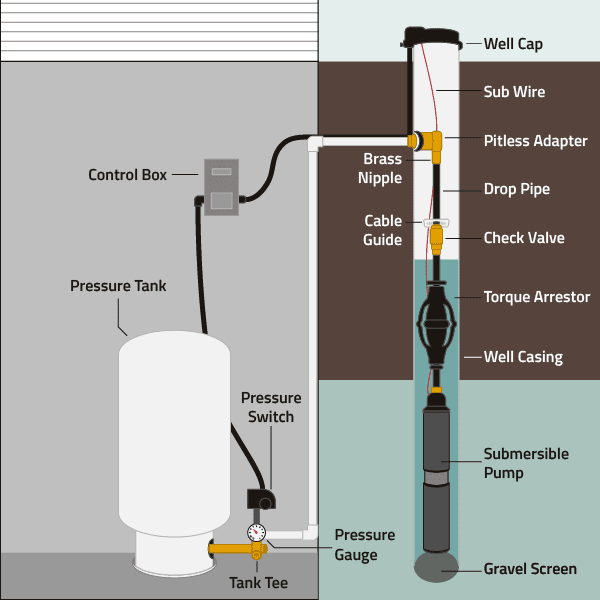
A well pump system draws water from a private well and delivers it to your home's plumbing at usable pressure. Most systems pair a pump with a pressure tank: the pump moves water into the tank, and the tank maintains steady water pressure between pump cycles so your fixtures don't lose flow every time the pump kicks on.
Any of these can point to a failing pump, a waterlogged pressure tank, a bad pressure switch, or a problem further down in the well itself. Catching it early usually means a simpler repair instead of a full system replacement.
Well pump systems generally fall into a few categories, and the right choice depends on your well's depth and layout:
If you're not sure what's wrong with your well system, or it's just time for a routine check, contact us for an inspection.
Submersible well pumps typically last 8 to 15 years depending on usage, water quality, and how well the system has been maintained. Pressure tanks often last longer if properly sized and not run waterlogged. Regular inspection helps catch wear before it turns into a total failure.
Frequent short-cycling is most often caused by a waterlogged pressure tank that's lost its air charge, a failing pressure switch, or a leak somewhere in the system. Constant cycling puts extra wear on the pump motor, so it's worth having it checked before it leads to a bigger repair.
It depends on what's failed. Pressure switches, pressure tanks, and some control components can often be repaired or replaced individually. A worn-out submersible pump motor itself usually needs a full pump replacement, since the pump sits down inside the well.
First, check your breaker panel to rule out a tripped breaker to the pump. If power is fine and you still have no water, it can indicate a pump failure, a broken pipe, or an electrical issue with the pump's controls. Contact us for an inspection so we can diagnose the cause.
We focus on the mechanical side of your well system — the pump, pressure tank, and related plumbing. For water quality testing, we can point you toward a certified water testing lab, and we can help address issues like sediment or hard water through our water treatment services.